
Work Deeper, Live Calmer with Quiet Tech

Today we explore Quiet Tech for Work and Life, a compassionate approach to tools, settings, and habits that reduce noise, interruptions, and visual overload. Expect practical setups, relatable stories, and gentle practices that help your attention breathe. Share your experiments, subscribe for new ideas, and build a calmer routine that still delivers decisive results without the usual digital clamor.

Designing a Calmer Desk

Fanless and Solid-State Choices

Silence starts at the source. Devices with solid-state drives remove the spinning and clicking often forgotten until late-night work magnifies every whisper. Fanless mini PCs or laptops built for efficiency trade raw peak performance for consistent, calm output. They run cooler, vibrate less, and transform the background from distracting to barely noticeable, so your brain hears progress instead of machinery.

Silent Input You Actually Enjoy

Input noise adds up fast. Quiet mechanical switches with dampers, low-force travel, and stable stabilizers give you feedback without sharp clacks echoing through calls. A comfortable, low-friction mouse or precision trackpad glides rather than scrapes. Together, they reduce strain, prevent evening fatigue, and let you type or sketch longer without announcing every idea to the room around you.

An Acoustic Microhabitat at Home

Your desk can tame echoes with soft mats, a small rug, and fabric panels that swallow reflections from hard walls. Bookshelves and plants help scatter sound while feeling warm and alive. Even tiny changes matter: adhesive door seals, felt under chair legs, and a coaster under that mug. The result feels intentional, welcoming, and astonishingly peaceful during demanding sessions.

Taming Notifications and Digital Noise

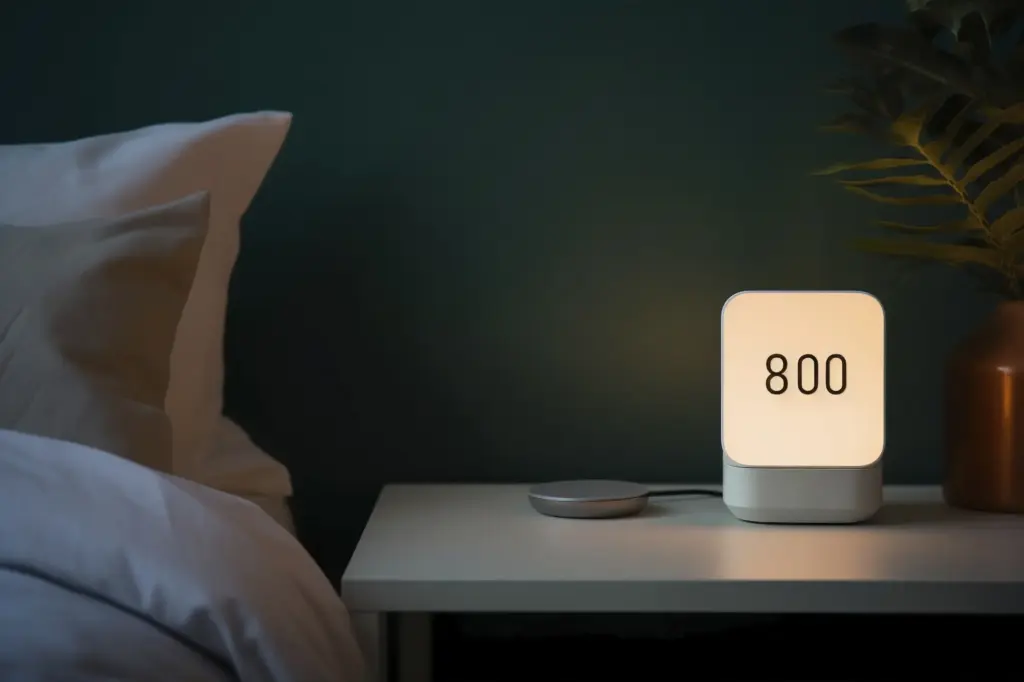
Interruptions shatter flow, and rebuilding attention costs more energy than we admit. Curate what reaches you, when, and how. Schedule do-not-disturb windows, batch routine alerts, and promote only crucial signals. Replace habitual checking with predictable reviews. By designing communication to be quieter, your work regains narrative momentum, and evenings finally arrive without leftover anxiety humming in your shoulders.

Audio That Helps You Focus

Noise-cancelling can be magical, but context matters. Sometimes passive isolation or open designs work best. Aim for comfort, moderate volumes, and mindful breaks to protect hearing and attention. Pair gentle ambient tracks or brown noise with tasks that benefit from steady rhythm. When sound supports, rather than dominates, your brain settles into productive flow without relying on brute-force volume.

01

Choosing the Right Silencing Tool

Over-ear headphones with good seals reduce low rumbles, while active noise cancellation tackles constant drones like HVAC or trains. In quiet homes, lightweight passive models may feel freer and cooler. Transparency modes help with awareness during doorbells or childcare. Pick comfort first, because even the finest cancellation fails if pressure, weight, or heat nudges you to remove them constantly.

02

Healthy Volumes, Happier Ears

Attention loves consistency more than loudness. Keep sound around safe, comfortable levels, take periodic breathers, and let your ears recalibrate. Remember that long sessions at medium volume often outperform short blasts that leave ringing. If your headphones offer adaptive volume or hearing-friendly nudges, enable them. Protecting your hearing protects your capacity to focus, collaborate, and enjoy quiet evenings later.

03

Soundscapes That Fade Into the Background

Pick audio that supports rather than competes. Non-lyrical music, brown noise, or lightly textured field recordings can cushion distractions without demanding attention. Keep loops long to avoid obvious repetition. If your task involves language, prefer textures over melodies. Save energizing tracks for transitions, and let the main work ride a soft current designed for sustained, humane concentration.

Interfaces That Respect Attention
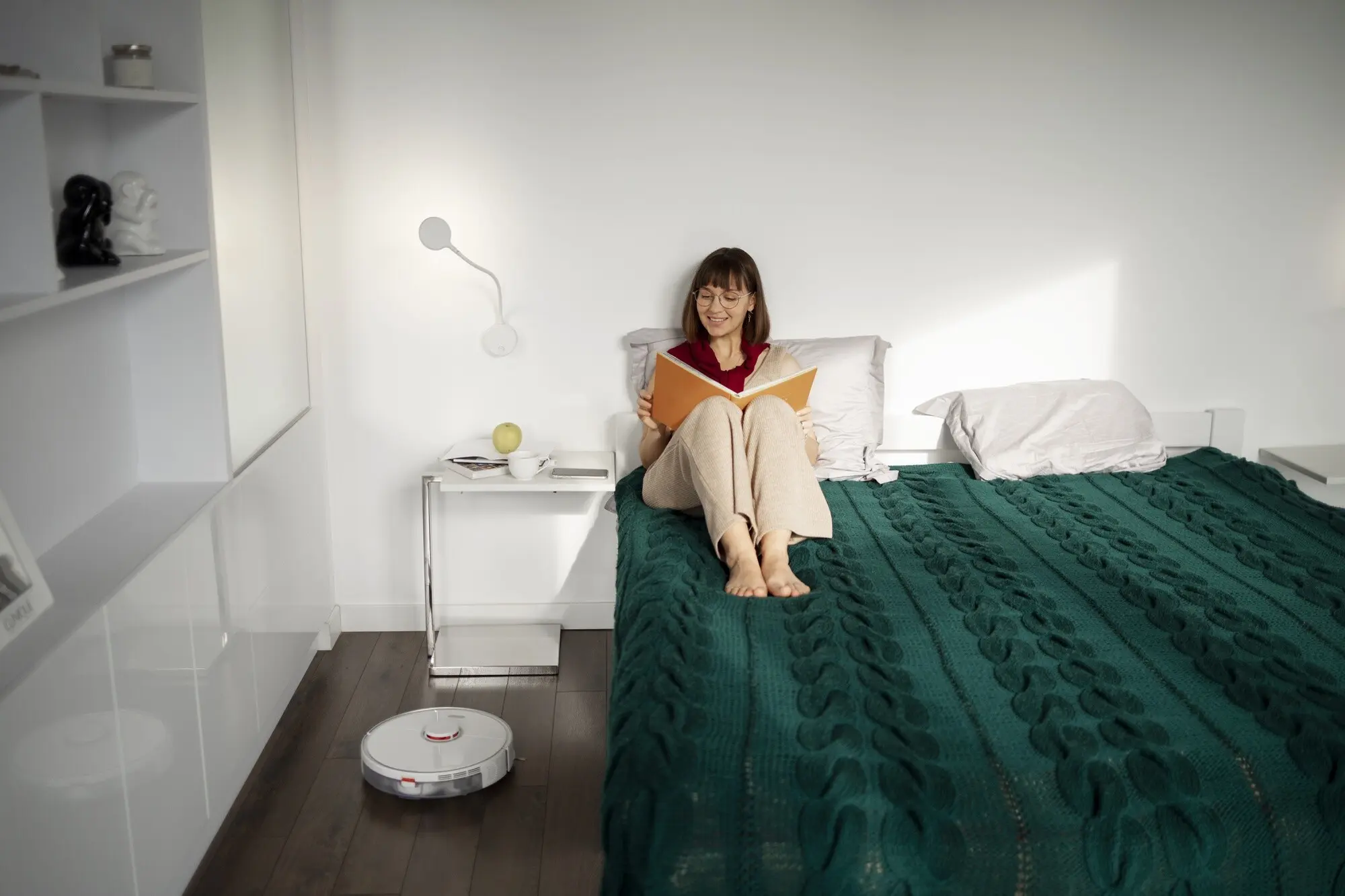
Clarity beats cleverness. Keep primary actions prominent and supportive details nearby but not insistent. Reduce animations that compete with thinking. Favor readable typography and spacing that breathes. Gentle defaults, undo options, and respectful reminders foster trust. When software honors your pace, you stop fighting it, and the work regains the satisfying cadence that drew you to it originally.

Soothing Light for Long Days

Harsh light jangles nerves. Indirect desk lamps, diffusers, and task lighting sculpt a scene where documents glow without glare. Midday cool-to-neutral tones keep you alert, while evening warmth signals wind-down. Prioritize consistency over brightness spikes, and balance screens with ambient light to prevent stark contrast. The result is less squinting, fewer headaches, and steadier energy during demanding sprints.

Quiet Power on the Go

Portables built around efficient chips and solid-state storage hum along without drawing attention. A compact charger, silent touchpad gestures, and offline-first tools keep you productive even when networks hiccup. Cache reference files locally, and use sync windows instead of constant chatter. The goal is autonomy: sustained output without fans flaring or apps demanding noisy, restless background updates.

Bags and Cases That Muffle

Your carry can calm sound. Padded compartments stop clacking chargers, soft pouches tame cable jingles, and quiet zippers avoid abrupt scrapes during calls. A slim, stable stand reduces table resonance while typing. Even pen sleeves matter. Each small choice inches the kit toward discretion, preserving grace in libraries, night trains, and early mornings when others still sleep.

Workflows for Deep Work and Gentle Living
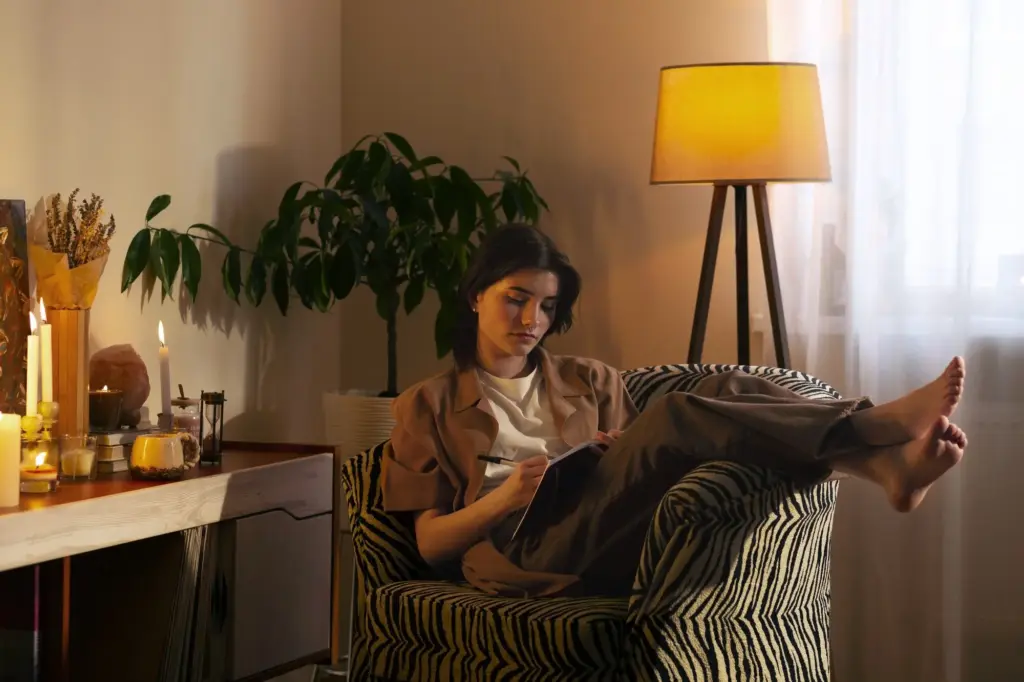
Quiet tools shine when paired with humane routines. Plan windows for deep creation, batch communication, and leave margins between meetings so thoughts can land. Short, intentional rituals open and close the day. By aligning technology with breath, body, and calendar, you trade hypervigilance for momentum. Results strengthen while evenings reclaim the softness that true recovery requires.

Sustainable Quiet: Maintenance and Upgrades

A calm setup stays calm with care. Dust filters, stable updates, and well-fitted cables prevent rattles and fan surges. When upgrading, prioritize efficiency, acoustics, and right-sized power over flashy peaks. Track what genuinely helps focus. Share lessons and ask questions below; our community notices details reviews miss, and your insight might solve someone’s lingering buzz for good.